
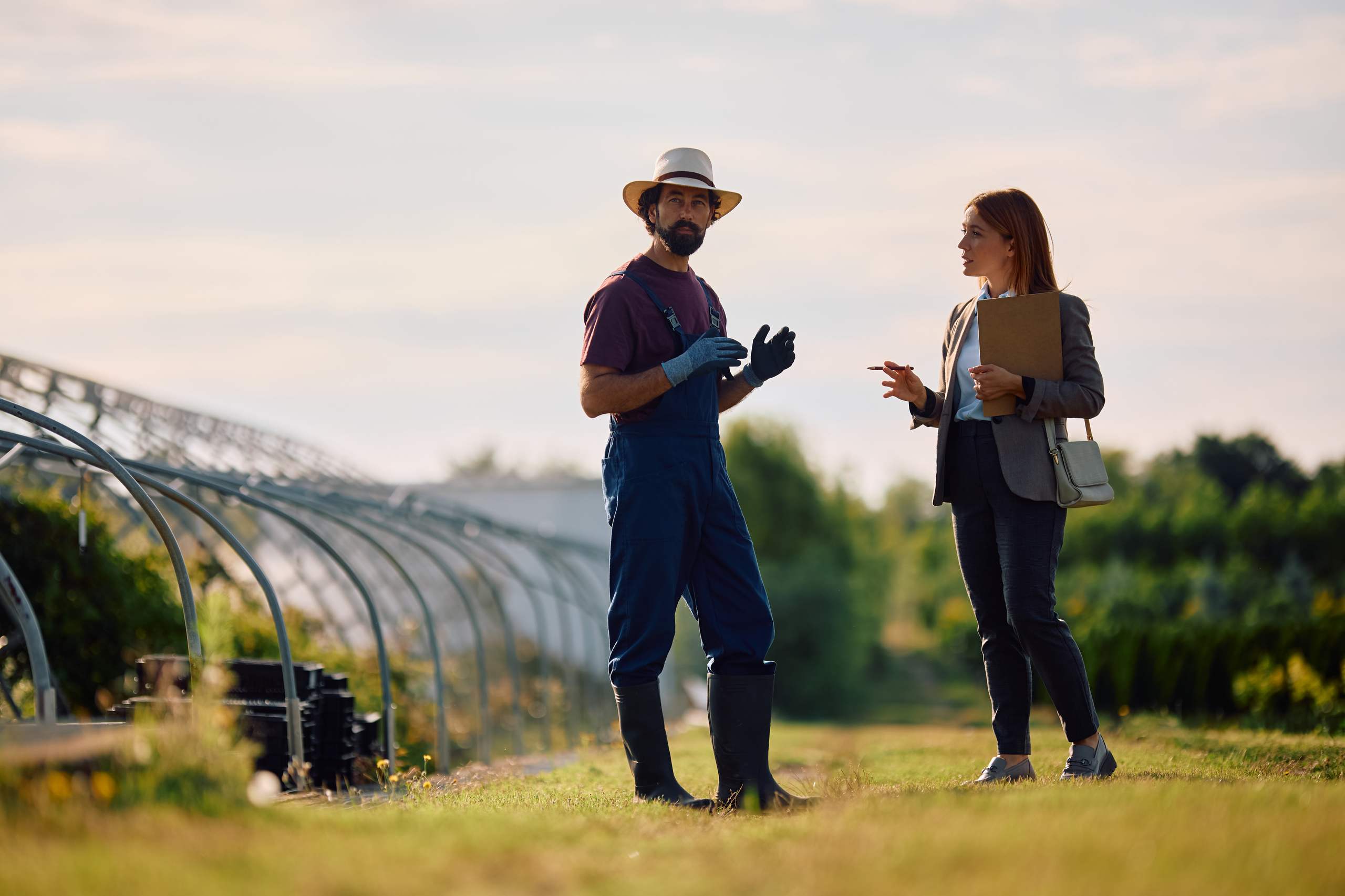
Agriculture has long been one of humanity’s most historic and vital endeavors, yet today it stands on the brink of a revolution. While the methods of yesteryear are still relevant, modern innovations are increasingly being integrated with conventional practices to give rise to what we call “smart farming.” This evolution is fundamentally reshaping the way food is cultivated, how agricultural enterprises are operated, and the decisions farmers make daily.
Smart agriculture doesn’t only revolve around machinery. It’s about utilizing data, automation, and sophisticated digital resources to render farming increasingly accurate, efficient, and sustainable. Such innovations allow the farmer to minimize wastage, enhance productivity, and react to the environment in a much quicker fashion.
Let’s delve into the core technologies and strategies redefining modern agriculture.
1. Precision Farming: The Art of Focusing Agriculture with Accuracy
Precision agriculture is perhaps the most influential evolution of contemporary farming. Rather than applying a blanket treatment to a field, precision farming focuses on specific portions of land and applies resources only to those places that need it most.
With precision agriculture, data from satellites, GPS, and field monitors helps the farmer assess the condition of the soil, its moisture content, and how the crops are progressing. The farmer can adjust the amount and type of fertilizers applied, the irrigation schedule, or the planting pattern with great precision, and the process can be automated as well.
This leads to less waste, reduced cost of production, and significantly better crop yields.
2. Smart Sensors and Real-time Monitoring Systems
One of the core advantages of smart agriculture is the capacity for real-time monitoring of the farm. Sensors, either embedded within the soil or mounted on plants, keep tracking temperature, humidity, nutrient concentrations, and soil moisture.
Instead of waiting for the symptoms of a problem to become noticeable, farmers are now able to observe these conditions as they happen and make adjustments accordingly. For instance, once the sensors detect that the soil moisture has reached a threshold, irrigation systems can be triggered automatically.
Constant monitoring allows the farmer to avoid significant crop losses and to ensure the optimal growing conditions are sustained during the season.
3. Use of Drones and Aerial Imaging
Drones have emerged as another game-changing tool for modern agriculture. These machines give a broad overview of agricultural fields from above and allow farmers to identify any problems with the crops that would have been hard to find from ground level.
Farmers are using drones to monitor crop condition, identify pests, assess irrigation coverage, and even spray specific patches with fertilizer and pesticides. Aerial imaging enables the early detection of potential issues, which can lead to large-scale crop losses and poor crop quality.
4. Automation and Smart Farm Equipment
Contemporary agricultural equipment is increasingly becoming more automated. Ploughs, harvesters, and planters are now being installed with GPS and automated steering systems, as well as sophisticated sensors.
These machines can complete tasks with high precision, thereby minimizing human error and providing uniform output. Moreover, automation helps in minimizing labor requirements so that farmers are more occupied with planning and management. In large-scale operations, the efficiency and productivity gains from automation are substantial.
5. Decisions Based on Data
Data lies at the core of intelligent agriculture. With current technologies, farmers have the capability of generating and processing large volumes of data on the prevailing climate, the state of the soil, crop performance, and market tendencies.
Data aids the farmer in making decisions on when to plant, irrigate, fertilize, or harvest the crops, among others. In addition, it helps in managing the risk of unexpected weather patterns or changes in the environment. Data-driven farming results in a more stable harvest, and better forecasting of financial resources.
6. The Role of AI in Smart Agriculture
Artificial Intelligence (AI) is beginning to find application in modern agriculture. Intelligent software based on AI can be trained on large datasets and used to provide insights for the improvement of the management of the crops.
In a specific case, an AI system may forecast the occurrence of pest attacks, advise on the best times to plant, or diagnose a disease in a plant by examining the image. This helps farmers to be proactive rather than reactive, thus improving the efficiency and sustainability of the farming operations.
7. Smart Irrigation Management
Managing water is a crucial element in agriculture. Smart irrigation systems are designed to use data from sensors and weather patterns to supply the specific amounts of water needed by the crops, based on the real-time environmental conditions.
This type of system eliminates the need for manual monitoring and scheduling of irrigation, thus saving the valuable water and keeping the crops adequately hydrated at all times. Efficient irrigation management is particularly significant in regions facing water shortages.
Final Summary
With the help of smart farming technologies, the whole agricultural industry is being completely transformed. Smart farming is a combination of time-tested agricultural practices with the latest in technological advancements, and when implemented properly, it increases yields, lowers the impact on the environment, and ensures the sustainability of farming practices for the foreseeable future.
The aforementioned technologies may at the outset sound overwhelming, but they are becoming more easily applicable with the passing of time. If the goal is to stay competitive in modern agriculture, it is crucial to understand and utilize them. The AgriMastery initiative aims to assist learners in navigating the space between conventional agricultural practices and technological advancements, ensuring they remain competitive in the changing industry.